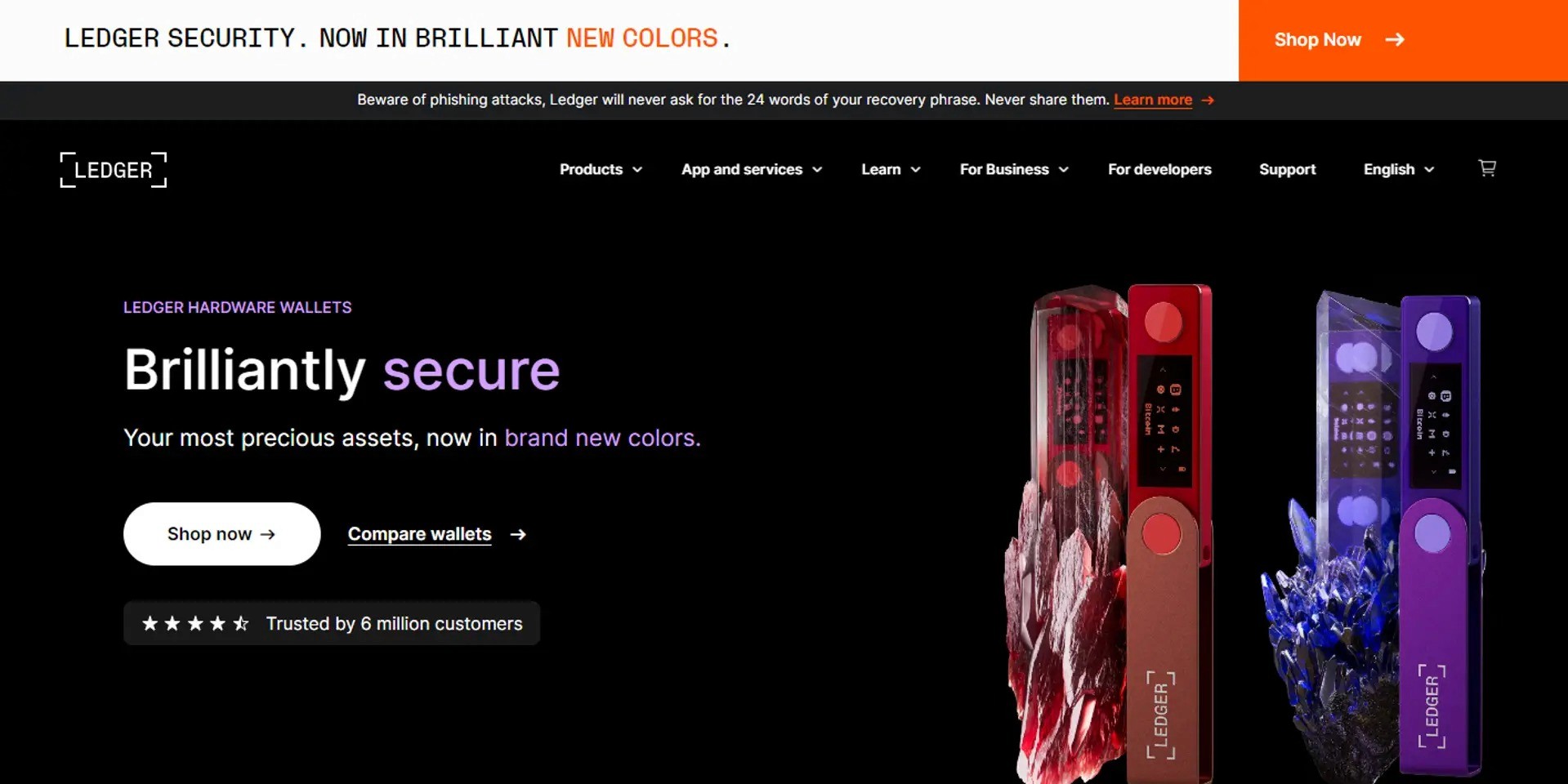
Ledger Live Login — The Complete Guide to Securely Accessing Your Cryptocurrency
Ledger Live is the official software application that allows you to manage your Ledger hardware wallet and cryptocurrency holdings. Secure login to Ledger Live is essential to access your accounts, perform transactions, monitor your portfolio, stake supported assets, and interact with decentralized finance (DeFi) platforms—all while keeping your private keys offline.
This guide provides a detailed, step-by-step explanation of Ledger Live login, including setup, security features, account management, troubleshooting, and best practices to ensure the safety of your digital assets.
Introduction: Why Ledger Live Login Matters
Ledger Live login is more than just entering credentials; it is the secure gateway to your crypto assets. Ledger hardware wallets store private keys offline, and Ledger Live acts as the interface for managing your assets. Logging in securely ensures:
Your private keys remain offline and safe from online threats
Only authorized users can access your accounts
Transactions are signed securely on the device
Recovery and backup processes are available if your device is lost or damaged
By combining Ledger Live login with best security practices, you gain full control of your crypto portfolio with maximum protection.
Step 1: Download Ledger Live
Start by downloading Ledger Live from the official Ledger website: ledger.com/start. Download the version compatible with your device:
Windows
macOS
Linux
iOS
Android
Important: Always use the official source to avoid phishing websites or malicious software. Ledger Live installation is straightforward, with clear on-screen prompts.
Step 2: Connect Your Ledger Device
Once Ledger Live is installed, connect your Ledger hardware wallet using the USB cable or Bluetooth (for Ledger Nano X). Ledger Live detects the device automatically.
Key points:
Transactions and account management require physical confirmation on the Ledger device
Private keys never leave the device
The connection is secure and encrypted, preventing unauthorized access
Step 3: Initialize Ledger Live
During the first login, you will choose between:
Setting up a new Ledger device: If this is your first Ledger wallet, follow prompts to create a PIN and generate a 24-word recovery phrase
Restoring an existing wallet: Enter your 24-word recovery phrase from a previous Ledger device
Ledger Live ensures the login process is secure and user-friendly.
Step 4: Set Up Your PIN Code
Ledger Live requires you to unlock your device with a PIN code:
Selected during device setup
Protects against unauthorized physical access
Must be entered directly on the device, not on the computer
Security tips for your PIN:
Use a unique, hard-to-guess combination
Memorize your PIN—Ledger cannot recover it
Avoid obvious patterns or repetitive numbers
Entering the wrong PIN multiple times temporarily locks the device, preventing brute-force attacks.
Step 5: Accessing Accounts After Login
After successful login, Ledger Live displays all accounts associated with your Ledger wallet:
Individual accounts for each blockchain (e.g., Bitcoin, Ethereum, Cardano)
Portfolio overview showing balances and total value
Transaction history for each account
Options to send, receive, stake, and manage tokens
Ledger Live ensures that all account information is verified by the hardware device, maintaining maximum security.
Step 6: Adding and Managing Accounts
Ledger Live allows you to manage multiple accounts across different cryptocurrencies:
Open Ledger Live
Navigate to Accounts
Click Add account
Select the desired cryptocurrency
Confirm account addition on your Ledger device
Accounts can be added or removed without impacting your funds. Ledger Live supports hundreds of cryptocurrencies and tokens.
Step 7: Receiving Cryptocurrency
To receive crypto via Ledger Live:
Open Ledger Live and select the account
Click Receive
Verify the address displayed on your Ledger device
Share the verified address with the sender
Always verify the address on the device, not the computer, to avoid malware that may alter addresses.
Step 8: Sending Cryptocurrency
To send crypto securely:
Select the account in Ledger Live
Click Send
Enter the recipient address and amount
Confirm the transaction directly on the Ledger device
Transactions are signed offline, ensuring private keys never leave your hardware wallet.
Step 9: Staking and DeFi Access
Ledger Live supports staking for selected assets such as:
Ethereum (ETH)
Tezos (XTZ)
Polkadot (DOT)
Cardano (ADA)
Solana (SOL)
Steps to stake:
Select the staking-compatible account
Click Stake
Choose a validator
Confirm on your Ledger device
Ledger Live also allows secure integration with decentralized applications (dApps), ensuring private keys remain offline during interactions with DeFi protocols.
Step 10: Managing Apps and Tokens
Ledger Live’s Manager section enables:
Installing and uninstalling blockchain apps on your Ledger device
Efficient storage management for multiple assets
Adding custom tokens, such as ERC-20 tokens
This modular approach ensures flexibility while keeping your Ledger device secure.
Step 11: Backup and Recovery
If your Ledger device is lost, stolen, or damaged, access can be restored using your 24-word recovery phrase:
Obtain a new Ledger device
Choose Restore device during setup
Enter your recovery phrase carefully
Re-add accounts in Ledger Live
Never share your recovery phrase with anyone or input it on untrusted websites.
Step 12: Security Best Practices
To maintain secure Ledger Live login:
Keep your recovery phrase offline and safe
Verify addresses on the Ledger device
Use Ledger Live only from the official source
Update firmware promptly
Enable optional passphrase protection for added security
Following these best practices protects your crypto from phishing, malware, and unauthorized access.
Step 13: Troubleshooting Login Issues
Common issues and solutions include:
Device not recognized: Check USB connection, try a different cable, or restart your computer
PIN issues: Use recovery phrase to restore access if forgotten
Accounts not displaying: Refresh Ledger Live and reconnect the device
Firmware update errors: Ensure internet connectivity and close interfering applications
Ledger provides official documentation and support to resolve persistent problems.
Step 14: Advantages of Ledger Live Login
Secure login to Ledger Live offers multiple benefits:
Full control over private keys
Multi-asset portfolio management
Real-time transaction tracking and portfolio monitoring
Secure staking and DeFi interactions
Firmware updates and device management
Protection from phishing and online attacks
Ledger Live combines usability, security, and flexibility, making it suitable for both beginners and advanced users.
Step 15: Future-Proofing Your Ledger Live Access
Ledger continuously updates Ledger Live to support new assets and features. By keeping your software and firmware updated:
Login processes remain secure
You can manage new cryptocurrencies
Advanced features, such as staking and dApp integrations, stay compatible
Regular updates ensure your Ledger Live login remains safe and future-proof.
Step 16: Final Thoughts
Ledger Live login is the gateway to securely managing your cryptocurrency. By following this guide, you now understand:
How to download and install Ledger Live
Securely connect and log in using your Ledger device
Set up PIN codes and recovery phrases
Access, manage, send, and receive multiple cryptocurrency accounts
Use advanced features like staking, DeFi, and token management
Follow security best practices and troubleshoot issues
A secure Ledger Live login ensures that your private keys remain offline while giving you full control of your digital assets. With Ledger Live, you can confidently manage your cryptocurrency portfolio with maximum security and convenience.