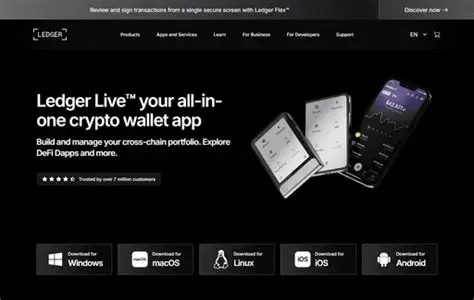
Ledger Live Login – Your Complete Guide to Secure Access and Crypto Management
Ledger Live Login is your gateway to managing your Ledger hardware wallet and cryptocurrency portfolio securely. Unlike traditional online logins, Ledger Live Login does not rely on usernames or passwords. Instead, it uses your Ledger hardware device and recovery phrase to ensure that only you have access to your assets. This guide provides a detailed walkthrough of Ledger Live Login, from connecting your device and understanding authentication mechanics to managing accounts, sending and receiving crypto, interacting with Web3 applications, and following security best practices. By the end of this guide, you will have a complete understanding of how Ledger Live Login works and how to use it safely and efficiently.
Introduction: Why Ledger Live Login is Important
Cryptocurrency security is paramount, and your private keys are the most critical element of this security. Ledger hardware wallets store these keys offline, making them resistant to hacking, phishing, and malware. However, to manage your assets, you need a secure interface to interact with the blockchain. This is where Ledger Live comes in.
Ledger Live Login provides:
Secure access: Only your Ledger device can authorize transactions.
Portfolio management: View balances, transaction history, and performance across multiple assets.
Transaction capabilities: Send, receive, and manage cryptocurrency securely.
Advanced features: Staking, token swaps, and integration with Web3 apps.
By understanding how Ledger Live Login works, you ensure your assets are protected while maintaining full control over your cryptocurrency.
Step 1: Understanding Ledger Live Login Mechanics
Ledger Live Login is unique compared to conventional online login systems. It relies on hardware authentication rather than server-stored credentials.
Key features include:
Device authentication: Logging in requires the physical Ledger device to be connected.
PIN verification: Your device requires a personal PIN to unlock.
Recovery phrase: Your 24-word recovery phrase acts as the ultimate backup.
Optional passphrase: Adds an extra layer of security and allows hidden accounts.
This system ensures that private keys never leave the hardware device, offering maximum protection against cyberattacks.
Step 2: Setting Up Your Ledger Device for Login
Before you can log in to Ledger Live, your Ledger device must be initialized.
Steps for initialization:
Connect your Ledger device to your computer or mobile device.
Install Ledger Live from the official source: Ledger.com/start.
Initialize your device by creating a new wallet or restoring an existing wallet with a recovery phrase.
Set a PIN code for device access.
Record your 24-word recovery phrase on the provided sheet and store it securely offline.
Once these steps are complete, your device is ready for Ledger Live Login.
Step 3: Connecting to Ledger Live
Ledger Live is the official software for managing your Ledger wallet. Logging in involves connecting the device and unlocking it using the PIN.
Steps for Ledger Live Login:
Open Ledger Live on your computer or mobile device.
Connect your Ledger hardware wallet.
Enter your PIN on the device.
Optionally, enter a passphrase to access hidden accounts.
Access your dashboard with full portfolio overview, accounts, and transaction history.
Unlike traditional logins, your private keys never leave the Ledger device, ensuring secure authentication.
Step 4: Adding Accounts in Ledger Live
Once logged in, you can manage multiple cryptocurrency accounts. Accounts represent blockchain addresses associated with installed Ledger apps.
Steps to add accounts:
Navigate to the Accounts tab in Ledger Live.
Click Add account.
Select the cryptocurrency.
Confirm the addition on your Ledger device.
Ledger Live synchronizes with the blockchain, allowing you to monitor balances and transaction histories in real time.
Step 5: Sending and Receiving Cryptocurrency
Receiving Cryptocurrency
Select the account you want to receive funds into.
Click Receive in Ledger Live to generate a receiving address.
Confirm the address on your Ledger device to prevent tampering.
Share the verified address with the sender.
Sending Cryptocurrency
Select the account to send from.
Enter the recipient’s address and amount.
Confirm transaction details on the Ledger device.
Approve the transaction; it will be broadcast to the blockchain.
Physical confirmation ensures that transactions cannot be executed without your approval, adding a critical layer of security.
Step 6: Using Passphrases and Hidden Accounts
Ledger Live supports optional passphrases that enable hidden accounts for enhanced security and privacy.
Benefits of passphrases:
Adds an extra layer of protection if the device is stolen.
Enables hidden wallets for personal or segregated funds.
Maintains compatibility with recovery using the original recovery phrase and passphrase combination.
Passphrase-protected accounts require entering the passphrase during Ledger Live Login to access hidden wallets.
Step 7: Recovery and Restoring Access
If your Ledger device is lost or damaged, you can recover your wallet using your recovery phrase.
Steps for recovery:
Obtain a new Ledger device.
Open Ledger Live and select Restore device from recovery phrase.
Enter your 24-word recovery phrase.
Set a new PIN and optional passphrase.
Recovery ensures all accounts and funds are restored securely without compromising security.
Step 8: Interacting with Web3 and dApps
Ledger Live Login also enables safe interaction with Web3 platforms and decentralized applications.
Connect Ledger Live or Ledger-compatible wallets to dApps using WalletConnect or browser extensions.
Approve transactions directly on the Ledger device.
Ensure smart contract addresses and website URLs are verified before approving actions.
This protects your private keys from exposure to malicious websites or phishing attacks.
Step 9: Firmware Updates and Security
Keeping your Ledger device firmware up-to-date is essential for security.
Firmware update process:
Connect your Ledger device to Ledger Live.
Follow the on-screen instructions for official firmware updates.
Avoid third-party sources or email links for updates.
Updates enhance security, add new features, and maintain compatibility with the latest cryptocurrencies.
Step 10: Troubleshooting Ledger Live Login Issues
Common login issues and solutions include:
Device not recognized: Check USB cables, ports, and reconnect.
Device locked: Enter the correct PIN; repeated failures may require recovery.
Accounts not visible: Ensure Ledger Live is updated and apps are installed on the device.
Passphrase issues: Double-check spelling and capitalization.
Ledger support provides detailed documentation to resolve any login or connectivity issues safely.
Security Best Practices for Ledger Live Login
Never share your recovery phrase or PIN.
Use passphrases for hidden accounts to enhance security.
Verify URLs and websites before connecting Ledger Live.
Confirm all transaction details on-device.
Keep Ledger Live and firmware updated to prevent vulnerabilities.
Following these best practices ensures that your login and portfolio management remain secure.
Why Ledger Live Login is Unique and Secure
Ledger Live Login differs from conventional logins:
Authentication relies on the hardware device rather than passwords stored online.
Transactions require physical approval on the device.
Recovery is possible with the recovery phrase, without exposing private keys.
Hidden wallets via passphrases provide additional security and privacy.
This system protects against hacking, phishing, malware, and centralized server failures, making Ledger Live one of the safest crypto management platforms.
Final Thoughts
Ledger Live Login is more than just access—it is a cornerstone of cryptocurrency security. Combined with a Ledger hardware wallet, it allows users to manage multiple accounts, track portfolio performance, send and receive funds, and safely interact with Web3 applications while keeping private keys offline.
From setup to recovery and advanced features like hidden wallets, understanding Ledger Live Login empowers you to manage your crypto assets securely and confidently. By adhering to best practices—keeping your recovery phrase offline, verifying websites, updating firmware, and confirming transactions on-device—you can ensure your assets remain safe.
Ledger Live Login provides a secure, reliable, and intuitive interface for cryptocurrency management, giving you complete control, peace of mind, and protection in an increasingly digital financial world.